Fuel
47% less
213 gallons against roughly 400. Every gallon of that difference is a landing the Grand had to make and the Bell did not.
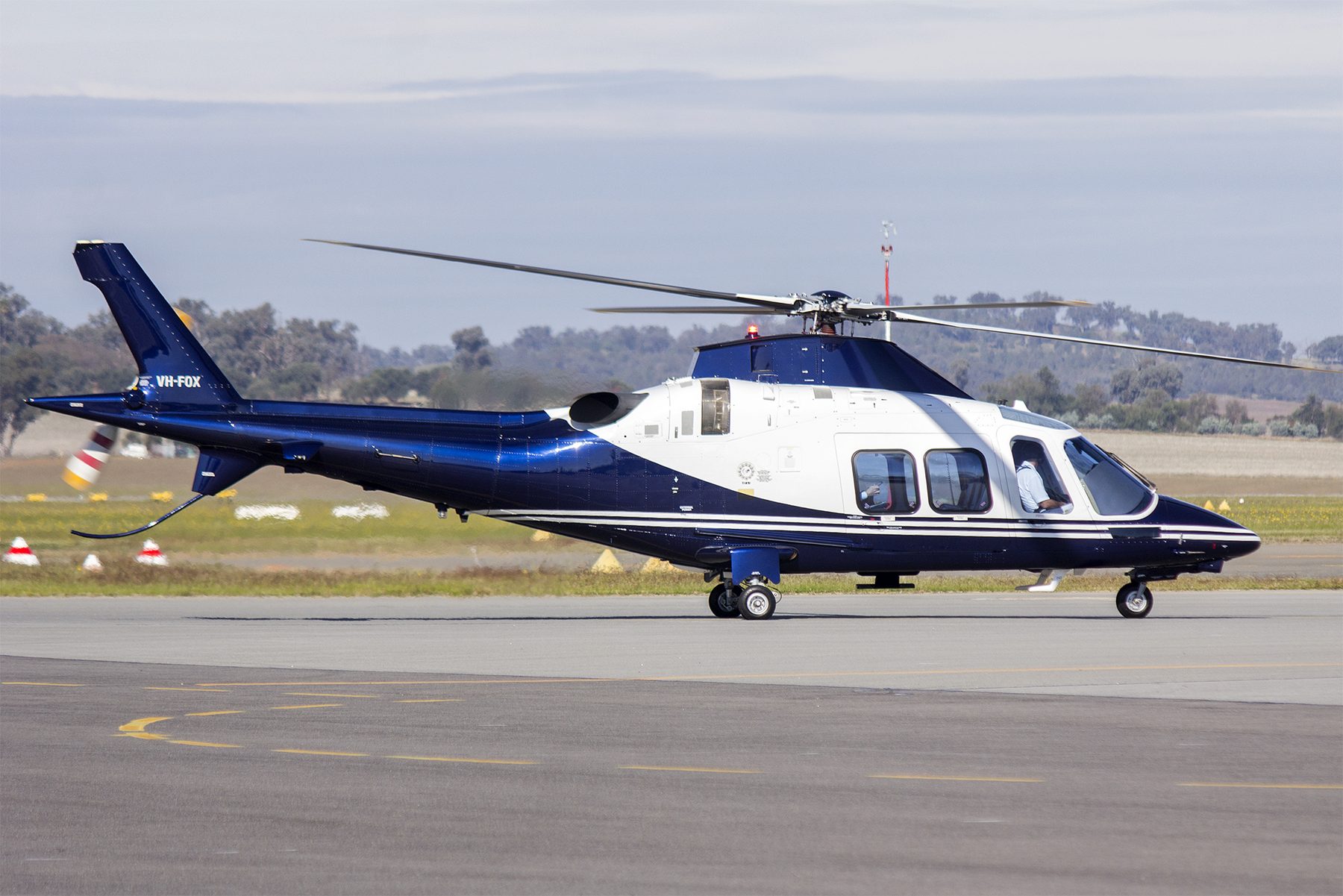
AgustaWestland A109S Grand · serial number 40
Built near Milan and delivered in July 2007. The first Grand flown across the North Atlantic and the first stationed in the United States. A five passenger executive fit with all standard factory avionics, and it went around the world exactly as it came off the line.
The letters were not an accident. "1US" had been held by the U.S. Sugar Corporation for over thirty years. When the designation was finally released another pilot claimed it immediately, and Kasprowicz bought it from him.
Before departure the crew set out a side by side comparison against Ron Bower's 1996 Bell 430, the record they were chasing. What is striking is that they wrote it honestly. In five of six categories, the aircraft they were chasing was the better machine for the job.
| Bower · Bell 430 · 1996 | Kasprowicz · A109S Grand · 2008 | |
|---|---|---|
| Fuel | ~400 gal advantage A 105 gallon auxiliary tank, plus fuel carried in the sponsons. | 213 gal Factory capacity. No auxiliary storage, no extra fuel carried. |
| Range | over 500 mi advantage | about 400 nm |
| Crew rest | A flight accessible bunk. One pilot could sleep while the other flew. advantage | None. No modification of any kind for endurance flying. |
| Weight | 9,300 lb advantage 300 lb above its certified maximum gross weight, under special provision from Bell. | below certified gross Roughly 2,300 lb lighter, on its normal certification rather than as an experimental aircraft. |
| Crew | Included a factory pilot supplied by Bell. advantage | Two private aviators. |
| Cruise | 230 km/h achieved average | 287 km/h maximum cruise |
The type
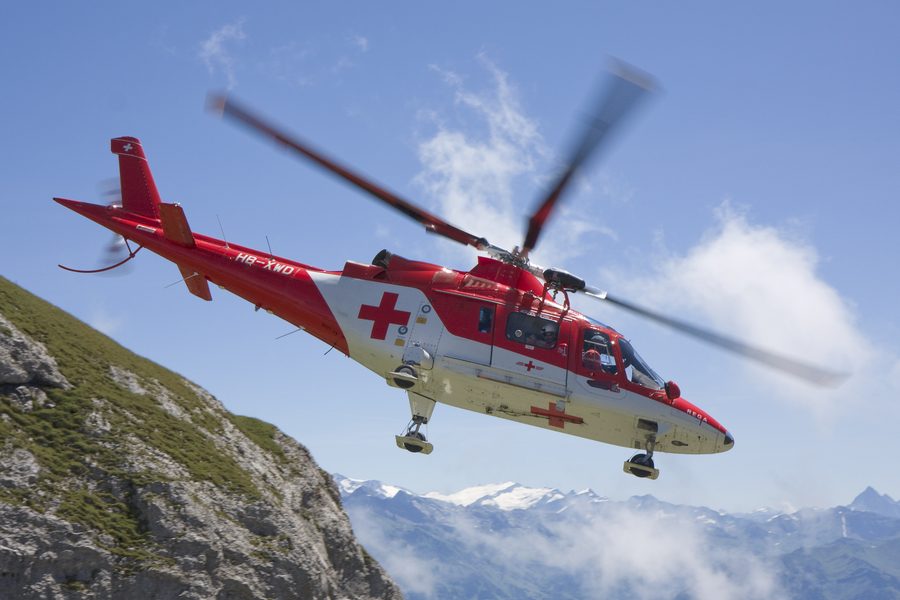
A light twin built for speed rather than endurance. Two Pratt & Whitney PW207C turboshafts, retractable gear, and a maximum cruise of 287 km/h that was the fastest thing in its class when N1US was delivered.
The photograph is not N1US. No air to air photography of the record aircraft appears to survive.
Ikiwaner · CC BY-SA 3.0
Bower's configuration buys endurance: longer legs, fewer landings, and a bed. Kasprowicz gave all of it away for roughly 25 percent more speed in the air, then made a second bet on top. Every previous attempt had flown west. He flew east, putting the prevailing westerlies behind the aircraft for most of the circumnavigation instead of in front of it.
The price was 78 fuel stops in eleven days, one every three and a half hours around the clock, averaging 253 nm legs against a book range of about 400 nm. No bunk meant no sleeping in flight, so rest had to come out of the same ground time as customs, fuel and weather.
Fuel
213 gallons against roughly 400. Every gallon of that difference is a landing the Grand had to make and the Bell did not.
Legs
Against a book range near 400 nm. Very little reserve was being left on the table, in parts of the world with few alternates.
Certification
Flown below its certified gross weight on its ordinary certification. Bower's aircraft flew 300 lb over gross under a manufacturer's special provision.
"In spite of a marked fuel disadvantage the Grand Adventure team hopes to not only break the record but do so in such a manner as to make future attempts unlikely."
grandadventure08.com / aircraft, August 2008Read next to the table above, that sentence is not bravado. It is a description of the strategy. Beat a better equipped aircraft while publicly refusing its advantages, and a challenger is left with nowhere comfortable to stand. Whether it worked is the next page.